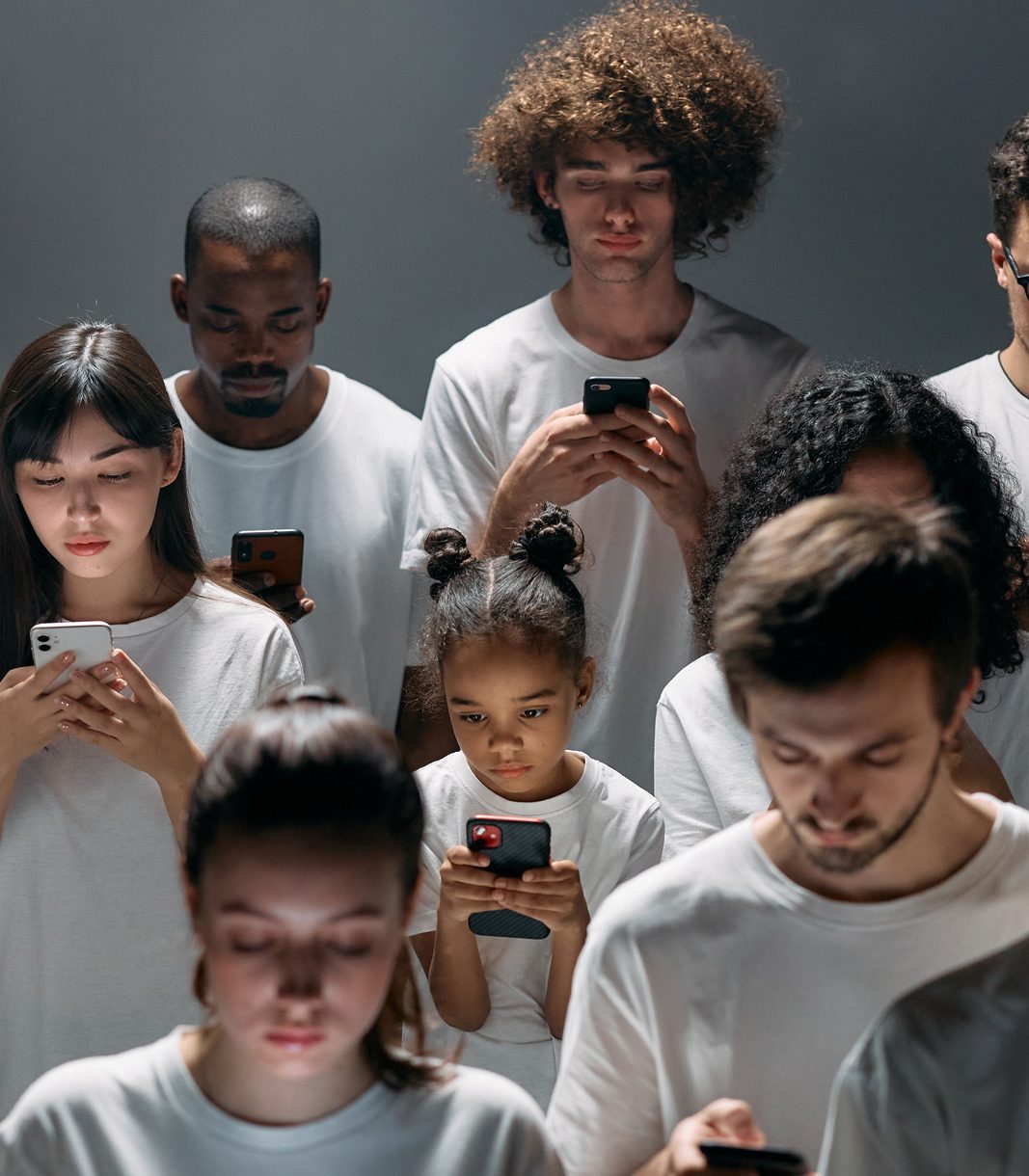


The ‘Benadryl Challenge’ started in 2020, and like most social media trends, over time, it fizzled out into cyberspace. The challenge calls for participants to record themselves taking fatal doses of Benadryl – around 300mg, which is 12 times the recommended adult dosage – in pursuit of hallucinations, or a euphoric “high”.
Ironically, the same reasons that got Benadryl (diphenhydramine) pushed to the back of the line when selecting antihistamines, are the very reasons it has regained relevance today. In recent years, the trend has resurfaced on social media platforms, mainly TikTok. Several factors make this challenge appealing to the impressionable youth, such as “going viral”, social validation, and seeking community on the internet amongst their peers. When misused, Benadryl can lead to fatal events not limited to heart rhythm disturbances, irreversible organ damage, seizures, coma, and death.
Benadryl blocks H1 receptors throughout the airways, heart muscles, and central nervous system (CNS), which halts common allergy symptoms and provides adequate relief. Though it is effective for allergy symptom relief, Benadryl crosses the blood brain barrier, binds to H1 receptors in the CNS, and yields unfavorable side effects like drowsiness and sedation. Additionally, Benadryl blocks muscarinic cholinergic receptors, and causes anticholinergic side effects like blurred vision, drowsiness, confusion, urinary retention, and others.
The first report of a death linked to the Benadryl Challenge was a 15-year-old girl in Oklahoma in 2020. In September that same year, the FDA issued a statement warning the public of the dangers of the Benadryl Challenge and encouraged TikTok to remove videos of people participating in the challenge from its platform. TikTok has since barred the hashtags “Benadryl Challenge” and “Benadryl” to discourage users from participating – a responsible gesture indeed. Yet, despite these efforts, the risky challenge has since resurfaced and claimed the lives of 3 teenagers in Connecticut within the past 2 months.[1] This year, America’s Poison Centers have documented 6,179 Benadryl-related calls from teenagers between the ages of 13-19, the highest call volume since the challenge began 6 years ago.[2]
How do we protect our youth?
Healthcare professionals:
- Educate yourselves on social media trends and challenges that involve Benadryl and other substances
- Provide side effect and overdose counseling when discussing antihistamines, and other OTC medications to further educate patients
Parents and guardians:
- Have open conversations with your children about the dangers of the Benadryl Challenge
- If any signs of a coma or seizure occur, call 9-1-1 immediately
- For urgent guidance during a suspected overdose, call the Poison Control Help line at 1-800-222-1222 to be connected to a trained healthcare professional
Ultimately, with the growing influence of social media, it is imperative that as a collective, we foster an open, judgement-free environment for our youth. One in which we can have honest conversations about peer pressure, substance misuse and the potential dangers of social media trends.
[1] https://portal.ct.gov/oca/-/media/oca/oca-recent-publications/oca-statement-diphenhydramine-and-safe-storage-2026-06-10.pdf?rev=1feb34995f34436cbb121d417264c506
[2] https://abcnews.com/GMA/Wellness/amid-social-media-challenge-calls-poison-centers-benadryl/story?id=133796755






Leave a Reply